Wednesday, January 13, 2010

7 Phenomenal Wonders of the Natural World

The classical natural wonders are huge and hard to miss – vast canyons, giant mountains and the like. Many of the most fantastic natural phenomena, however, are also least easy to spot. Some are incredibly rare while others are located in hard-to-reach parts of the planet. From moving rocks to mammatus clouds and red tides to fire rainbows, here are seven of the most spectacular phenomenal wonders of the natural world. 1) Sailing Stones


The mysterious moving stones of the packed-mud desert of Death Valley have been a center of scientific controversy for decades. Rocks weighing up to hundreds of pounds have been known to move up to hundreds of yards at a time. Some scientists have proposed that a combination of strong winds and surface ice account for these movements. However, this theory does not explain evidence of different rocks starting side by side and moving at different rates and in disparate directions. Moreover, the physics calculations do not fully support this theory as wind speeds of hundreds of miles per hour would be needed to move some of the stones.
2) Columnar Basalt


When a thick lava flow cools it contracts vertically but cracks perpendicular to its directional flow with remarkable geometric regularity – in most cases forming a regular grid of remarkable hexagonal extrusions that almost appear to be made by man. One of the most famous such examples is the Giant’s Causeway on the coast of Ireland (shown above) though the largest and most widely recognized would be Devil’s Tower in Wyoming. Basalt also forms different but equally fascinating ways when eruptions are exposed to air or water.
3) Blue Holes


Blue holes are giant and sudden drops in underwater elevation that get their name from the dark and foreboding blue tone they exhibit when viewed from above in relationship to surrounding waters. They can be hundreds of feet deep and while divers are able to explore some of them they are largely devoid of oxygen that would support sea life due to poor water circulation – leaving them eerily empty. Some blue holes, however, contain ancient fossil remains that have been discovered, preserved in their depths.
4) Red Tides


Red tides are also known as algal blooms – sudden influxes of massive amounts of colored single-cell algae that can convert entire areas of an ocean or beach into a blood red color. While some of these can be relatively harmless, others can be harbingers of deadly toxins that cause the deaths of fish, birds and marine mammals. In some cases, even humans have been harmed by red tides though no human exposure are known to have been fatal. While they can be fatal, the constituent phytoplankton in ride tides are not harmful in small numbers.
5) Ice Circles


While many see these apparently perfect ice circles as worthy of conspiracy theorizing, scientists generally accept that they are formed by eddies in the water that spin a sizable piece of ice in a circular motion. As a result of this rotation, other pieces of ice and flotsam wear relatively evenly at the edges of the ice until it slowly forms into an essentially ideal circle. Ice circles have been seen with diameters of over 500 feet and can also at times be found in clusters and groups at different sizes as shown above.
6) Mammatus Clouds


True to their ominous appearance, mammatus clouds are often harbingers of a coming storm or other extreme weather system. Typically composed primarily of ice, they can extend for hundreds of miles in each direction and individual formations can remain visibly static for ten to fifteen minutes at a time. While they may appear foreboding they are merely the messengers – appearing around, before or even after severe weather.
7) Fire Rainbows


A circumhorizontal fire rainbow arc occurs at a rare confluence of right time and right place for the sun and certain clouds. Crystals within the clouds refract light into the various visible waves of the spectrum but only if they are arrayed correctly relative to the ground below. Due to the rarity with which all of these events happen in conjunction with one another, there are relatively few remarkable photos of this phenomena

7 Engineering Wonders of the Modern World

Would you believe that the tallest bridge in France reaches higher than the Eiffel tower, or that a single dam in China can hold back 1.4 trillion cubic feet or water? Each of the projects depicted here has set at least one world record for its height, scale, daring or ingenuity. From Venice to Boston, Egypt to England, here are seven amazing engineering wonders of the modern world. Know of others? Add to the list below!


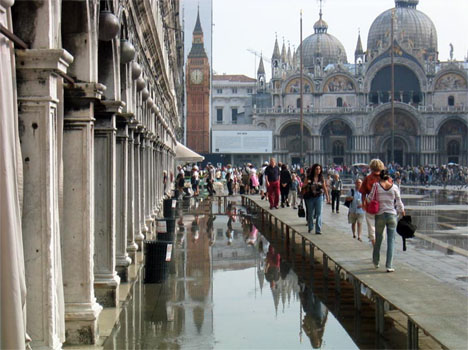
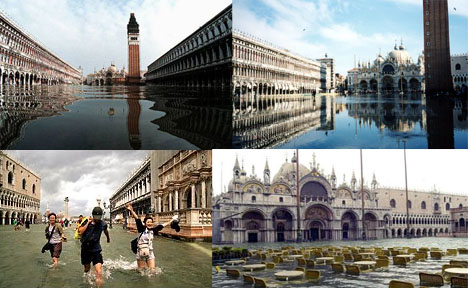
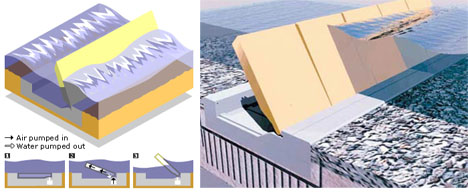
Venice, Italy: The Venice Tide Barrier Project will be the largest flood prevention project in the world. The project has been debated in one form or another for over 40 years as a way to protect this historical city-on-the-water for future generations. With Venice slowly sinking, and the water around it slowly rising, and floods always a fear, Italians have known for a long time that something needs to be done. Finally, the Prime Minister of Italy approved the second phase of the plan, including 80 hinged barriers, each approximately 6,500 square feet.


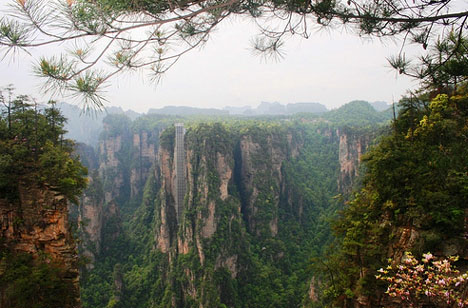
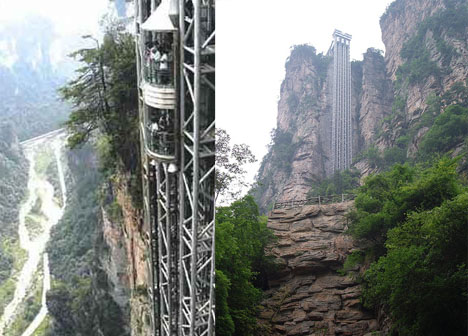
Zhangjiajie, China: The Bailong Elevator is the world’s largest exterior elevator. At over 1,000 feet tall, this elevator looms high midway up a cliff overlooking a valley far below. Moreover, the elevator is mostly glass, affording passengers a dizzying view to the depths below. There is some concern, however, about the elevator’s long-term impact on the surrounding natural environment.


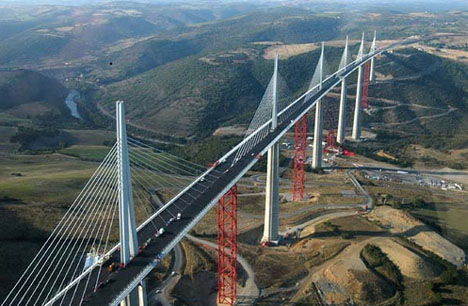
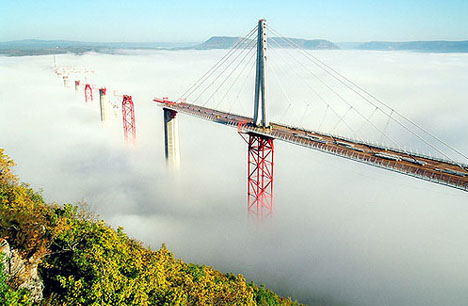
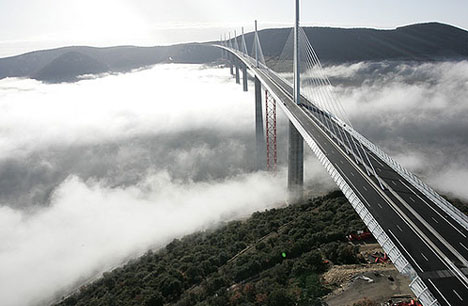
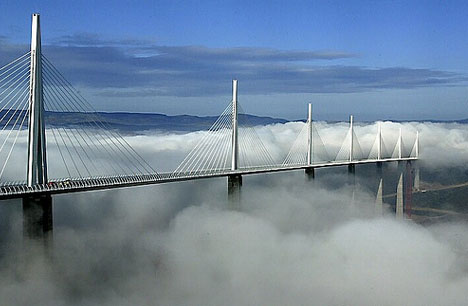
Millau, France: The Millau Viaduct is the highest bridge in the world. At almost 1,000 feet high (taller than the even the Eiffel Tower) and over 8,000 feet long it sometimes sits above the cloud line, as shown in the beautiful photographs above. The engineered wonder of the bridge itself is nearly as amazing as the view of the valley below.


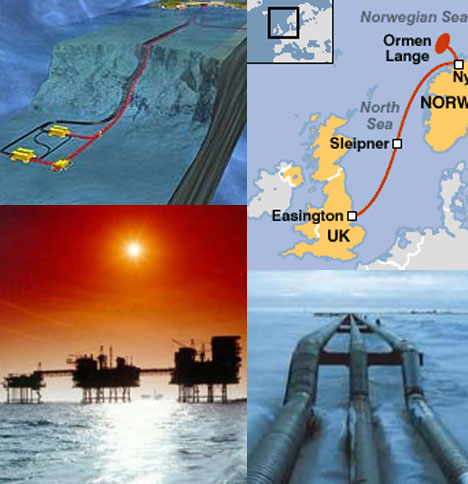
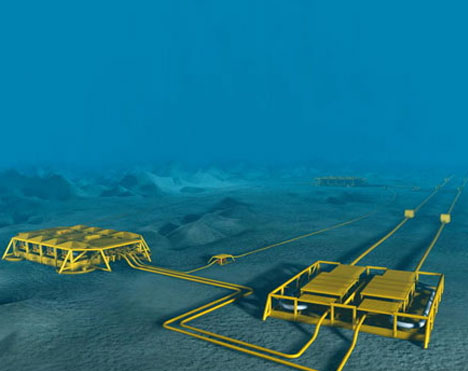
More, Norway to Easington, Britain: The Langeled Pipeline is slated to be the longest underwater gas pipeline in the world. It will ultimately supply 20% of Britain’s gas needs, connecting England to the largest gas field in Europe via 750 miles of complex underwater terrain. Engineers have had to account for subzero temperatures an stormy waters in addition to developing techniques for installing the pipeline in the first place. They are able to lay an amazing 8 miles of pipe per day.


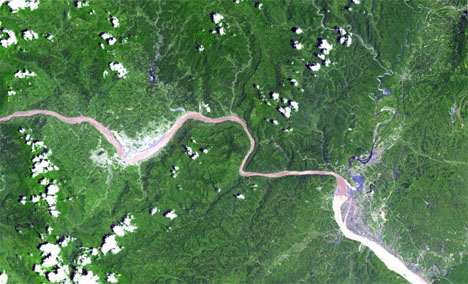
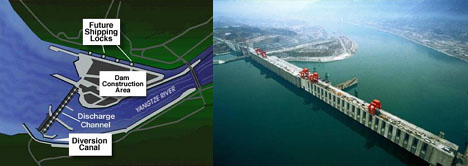
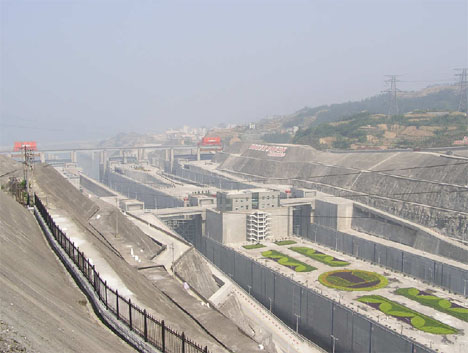
Yangtze, China: The Three Gorges Dam has drawn fire from people around the world for its role in raising water levels and displacing millions of Chinese residents in the area. As a work of engineering, however, it is unparalleled. It will be the largest hydroelectric dam in the world, 600 feet high and holding 1.4 trillion cubic feet of water behind 100 million cubic feet of concrete. This engineering wonder will also eventually provide as much as 10% of China’s vast power needs.


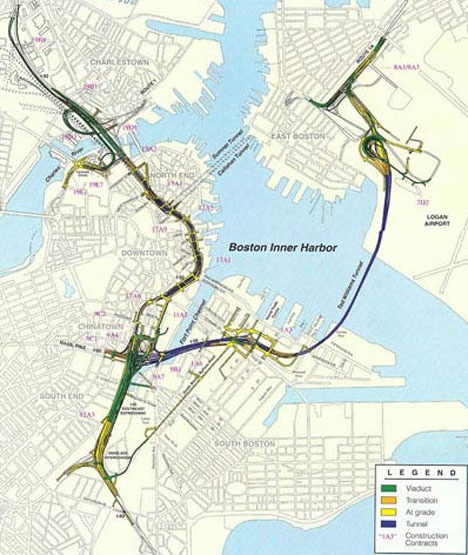
Boston, Massachusetts: The so-called Big Dig is a massive tunneling project in the heart of Boston, and is the most massive and expensive construction project in the history of the United States (at 15 billion dollars). Disaster and scandal have haunted this endeavor from the beginning, including accidents, deaths and even arrests for criminal negligence. Engineers were forced to navigate a maze of subways, pipes and utility lines in the course of the project, all with minimum disturbance to the bustling streets of Boston above.


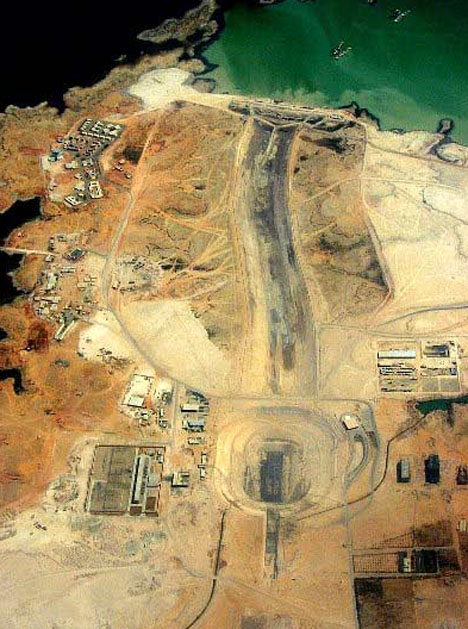
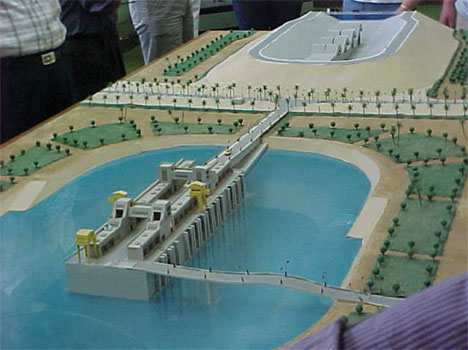
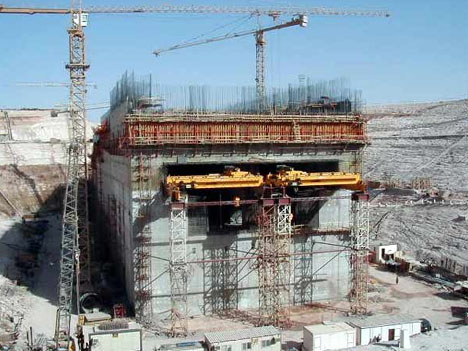
Mubarak, Egypt: The Toshka Project is an amazing attempt to convert a half million acres of desert landscape into arable land. The Mubarak Pumping Station is at the center of this effort, and will channel millions of cubic feet of water per hour. It will ultimately redirect 10% of the country’s water from the Nile and will increase the inhabitable land in Egypt by as much as 25%.